
Plenty of young vaulters can run fast, plant well and leave the ground cleanly, then everything stops. They hang under the pole, sit in it, or ride it back down onto their back. The problem is almost always the swing and inversion: the part of the vault where you go from hanging on the pole to being upside down on it.
This guide explains what a good swing and inversion look like, the most common reasons vaulters fail to get there, and six drills that build the skill. It is written for high school and college vaulters, parents, and club coaches who want a clear plan.
What the swing and inversion actually are
Once you leave the ground, the vault moves through a few phases. The swing and inversion sit in the middle:
- Takeoff: arms are tall, the lead knee drives up, and the takeoff leg is left long behind you.
- Swing: the long takeoff leg (the trail leg) swings forward from the hip like a pendulum, while the arms stay long and the chest stays open.
- Inversion (rock back): the hips rise above the head, the shoulders drop back, and the body lines up along the pole with the feet heading toward the top.
- Extension, pull and turn: the pole straightens, you extend up it, turn to face the bar, and push away.
The key idea is that the swing is driven by the hips and the long trail leg, not by pulling with the arms. A long, fast swing loads the pole and carries the hips up. A short, tucked swing stalls the vault.
Why vaulters fail to invert
When a vaulter cannot get upside down, look at what happens before the swing first. Most inversion problems start earlier in the vault.
- Takeoff is under: if the takeoff foot is too close to the box, the pole pushes you back and there is no room to swing. See our guide to planting the pole correctly.
- Bent arms at the plant: low hands mean the pole bends early and the vaulter gets crushed into it instead of swinging past it.
- Tucking too early: pulling the knee to the chest straight after takeoff shortens the pendulum and kills speed.
- Pulling with the arms: pulling the pole toward the chest early drags the shoulders forward and keeps the hips low.
- Not enough strength: getting upside down needs a strong core, grip and shoulders. Many beginners simply have not built this yet.
- Fear: going backwards and upside down feels strange. Vaulters who do not trust the landing area often hold back.
If you recognise several of these, our list of common pole vault faults and how to fix them covers the earlier phases in more detail.
Checklist: what a good swing looks like
Use this when you watch video of a vault. Pause just after takeoff and step through frame by frame.
- Top arm stays long and close to straight through the start of the swing.
- Chest stays open to the pole; the vaulter does not curl up straight away.
- Trail leg stays long and swings from the hip, not the knee.
- Hips travel up past the hands before the vaulter starts to pull.
- At the end of the rock back, the body is lined up along the pole, feet pointing up.
- Head stays neutral; the vaulter is not looking at the bar during the swing.
6 drills to build the swing and inversion
Work from the top of this list down. The first drills build strength and body awareness off the pole; the later ones bring the skill back to the runway. All pole drills should be supervised by a qualified coach, with proper landing mats and a pole rated for the vaulter.
1. Hanging leg raises and toes to bar
Hang from a high bar with straight arms. Raise straight legs to hip height, then progress to bringing the toes all the way to the bar. This builds the core and grip strength you need to lift the hips above the hands.
Dose: 3 sets of 6 to 10. Cue: "Long arms, lift the hips, not just the feet."
2. High bar swing to inversion
On a high bar or gymnastics bar, swing with long legs, then on the back swing drive the hips up and rock back until the body is upside down with feet above the bar. Lower with control. This is the same movement pattern as the vault, without the pole.
Dose: 3 sets of 3 to 5. Cue: "Swing long, then shoulders back."
3. Rope climb with inverted finish
Climb a rope a short way, then rock back so the hips go above the head and the feet go up the rope. Hold for two seconds and come back down. It teaches vaulters to be comfortable upside down while holding on.
Dose: 4 to 6 reps. Cue: "Feet to the ceiling."
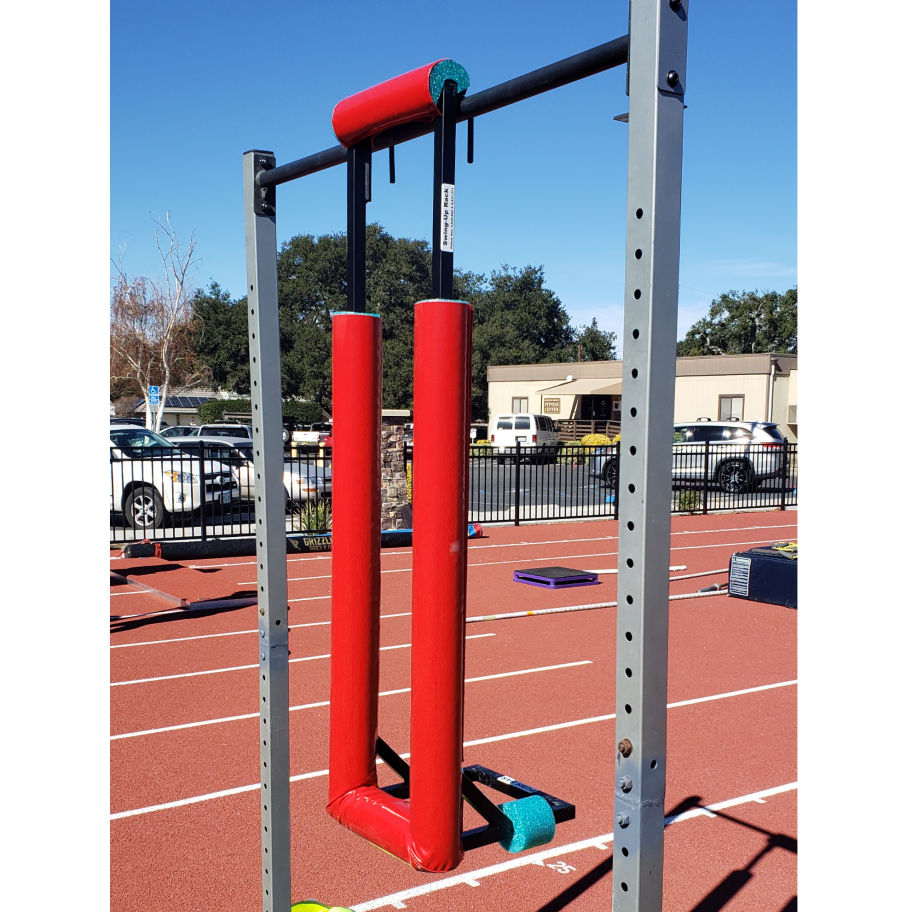
4. Swing-up rack drill
A swing-up rack holds a pole vertically so the athlete can practise the swing and rock back with the pole fixed in place. Grip at a sensible height, jump into the swing with a long trail leg, and rock back until aligned along the pole. Because the pole does not move, the coach can focus on body position and timing.
Dose: 3 sets of 4. Cue: "Leave the leg long, then roll."
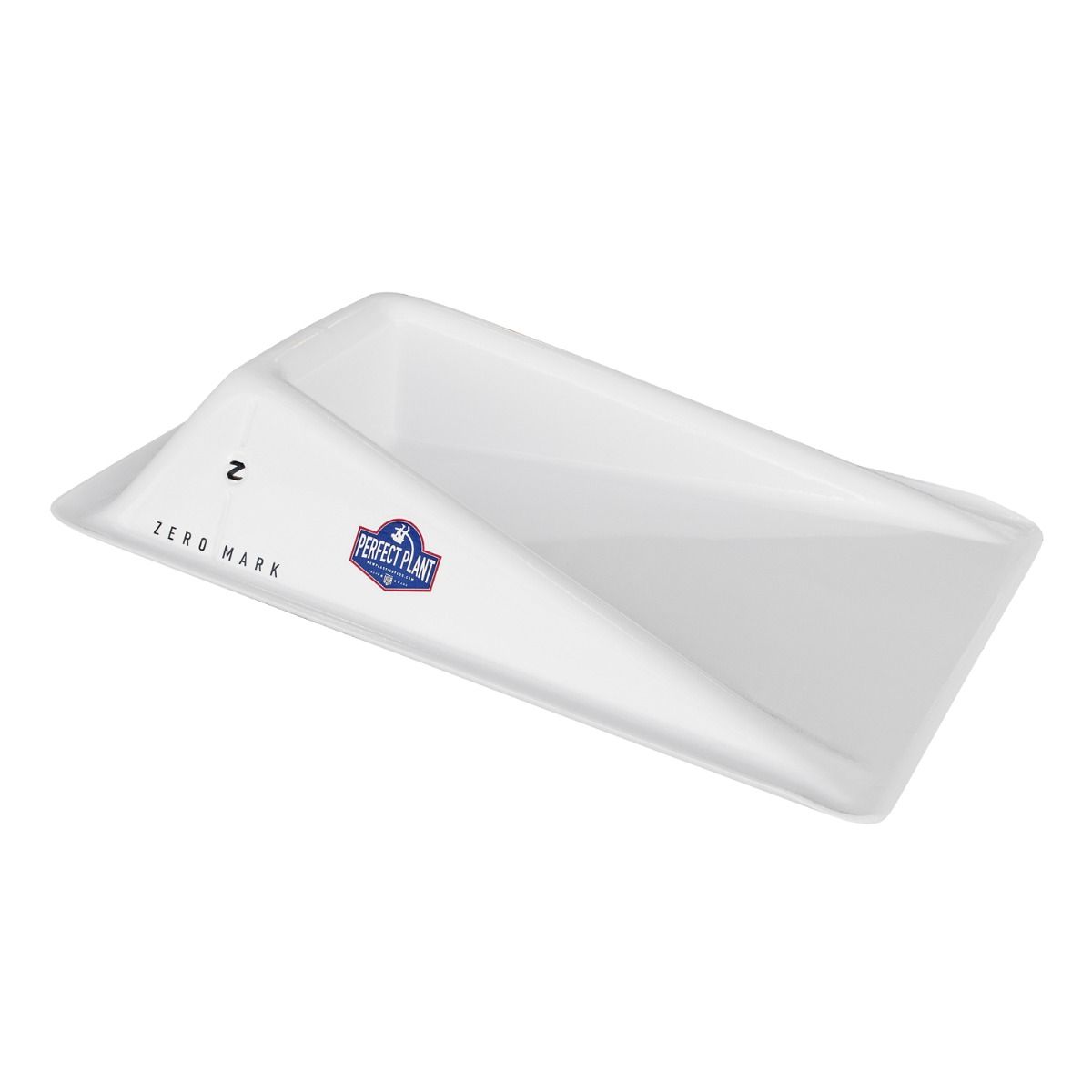
5. Sliding box short-run swings
Using a sliding plant box on grass or a safe surface, take a short run, plant, take off and swing. The box slides, so the athlete gets the feel of the plant and swing without a full vault. This links the swing to a real takeoff, which is where most problems start.
Dose: 6 to 10 reps from 2 to 4 lefts. Cue: "Tall at takeoff, then swing."
6. Short-run vaults to a rebound bar
Back on the runway, vault from a short approach on a soft pole with a flexible rebound crossbar set low. The goal is not height. It is to swing long and finish upside down on every jump. A soft bar takes away the fear of hitting a hard crossbar, so the athlete can commit to the rock back.
Dose: 6 to 8 jumps. Cue: "Upside down first, bar second."
For more ideas to add to these, see our full list of the best pole vault drills for beginners and coaches.
A sample swing session
Here is one way to fit the drills into a 75 to 90 minute session once or twice a week. Adjust the volume to the athlete's age and experience.
In the off-season you can do more of the strength work. Our 12-week off-season training plan shows how to build it into a full programme.
Coaching cues that help
- "Hang, then swing." Stops the vaulter from tucking or pulling straight away.
- "Kick the top of the pole." Gives the trail leg a target and keeps it long.
- "Shoulders back, hips up." Describes the rock back in plain words.
- "Be patient." Many vaulters rush to turn. The turn comes after the inversion, not during it.
Use one cue at a time. Too many instructions on one jump usually make things worse.
Safety notes for coaches and parents
- Only do pole drills with a coach present and a full landing system in place.
- Use a pole with a weight rating suited to the vaulter. Going to a softer, shorter pole for swing drills is normal.
- Build the off-pole strength drills first. A vaulter who cannot do toes to bar is not ready to force an inversion on a bending pole.
- Stop the session when technique gets sloppy. Tired vaulters tend to fall back to tucking and pulling.
The bottom line
Getting upside down is a skill you can build. Fix the takeoff, keep the arms long, let the trail leg swing from the hip, and train the strength to lift your hips. Then give it time on the swing-up rack, the plant box and short runs before you chase bigger bars.
Hand-picked products
Training aids for swing and inversion work, sold through our partner VS Athletics.


Some links on this page are affiliate links. If you buy through them we may earn a small commission at no extra cost to you. It helps keep Pole Vault Club free.